Grains are an integral part of your diet but do you know grains are acidic in nature !
Basically those foods which are hard to digest, have less water content, and produce a lot of waste/toxins inside the body as compared to alkaline foods ( also called primary foods).
Cereals, grains, dals, lentils dairy products, meat, and fish come under the category of acidic food (secondary foods)
Green leafy vegetables, and other vegetables, fruits ( with exception of a few mildly acidic fruit) are alkaline foods( Primary food).
Since grains and flours are acidic in nature, consuming them as sparingly as possible is advised in Nature cure.
Ancient civilizations were primarily eating Alkaline food but with the advent of agriculture acidic food became popular.
Since leaving grains and cereals is very difficult for most of us. Here are the best way to eat them –
- A lot of vegetables ( green leaves/ any watery vegetables / even hard vegetables like beetroot and carrot etc) should be added to cereals and flours when made into bread/ roti/ chapati.
- Rice should be unpolished or minimally processed. Do read the article – What is fibre full food.
- Dals with skin, soaked in water or sprouted would have maximum benefits.
Adding vegetables wherever possible makes sure that alkaline food is getting added to acidic food and hence neutralizing the effect of acidic food. It makes the digestion and elimination process easy.
Let’s learn how to make healthy Sattvic Roti for better health benefits.
- Always buy flour which has both bran and germ. To check, it should be a little coarse when touched with your hand or else buy the grain and get it milled.
- Always add one vegetable to your flour. It can be watery vegetables or hard vegetables.
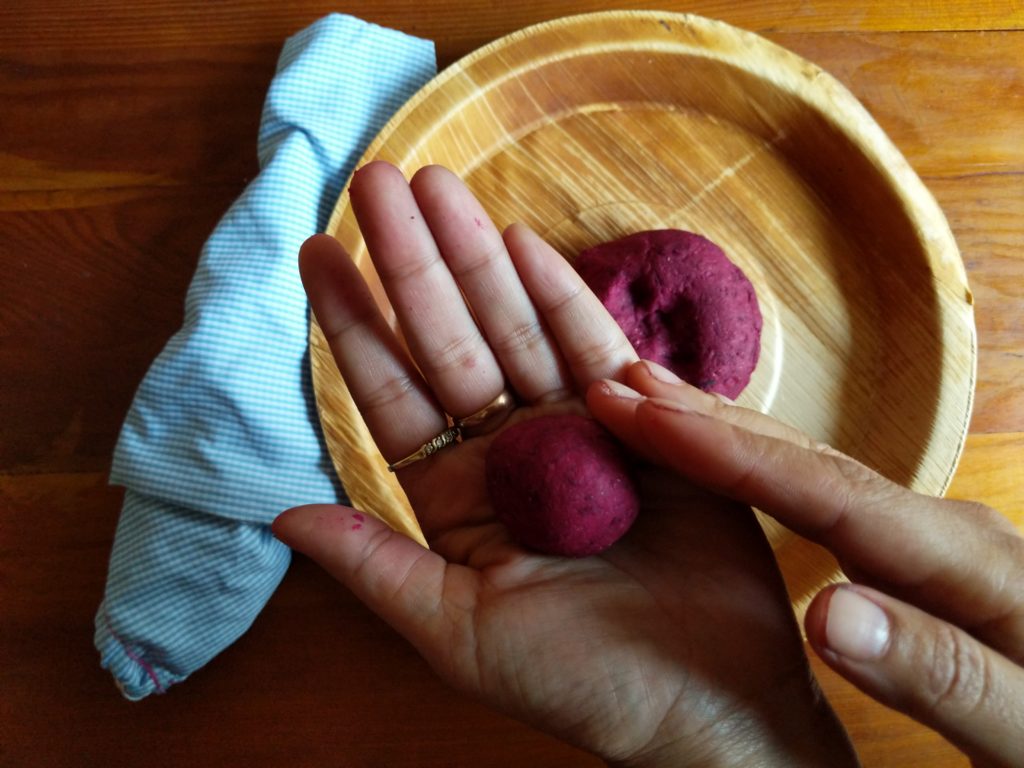
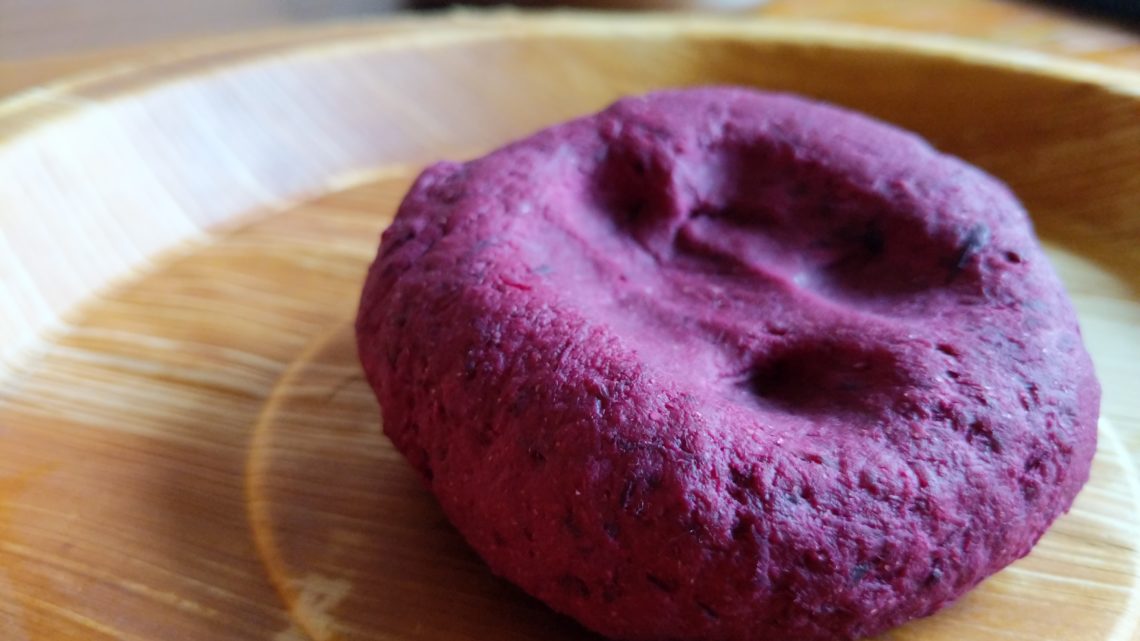
Here is the recipe to make the beetroot dough for the beetroot chapati.
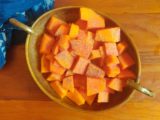
- Grate or finely chop 1 beetroot ( 250 gram)
- You can make a paste/puree by adding little water into the chopped beetroot or simply put the grated vegetable into a bowl.
- Add flour to the vegetable. Just add only that much flour that you need to soak up the water of this vegetable. Please note we don’t want to add plain drinking water as vegetable water has more potency and nutrients. However, you can add little water if needed to knead the dough.
- No need to add oil or salt. For simple reasons, We add them in curries so why add extra in the roti.
After the dough is ready roll the chapati. Cook it on an iron tawa or clay tawa on the slow flame so that it is slowly cooked and is easy to digest. There is no need to put the roti directly on a gas flame just like how we make phulka)
Chew your roti very well, because digestion of starch happens mainly in the mouth. Starch needs an alkaline medium that is secreted by salivary glands in the form of ptyalin. If the food is not chewed properly then ptyalin is not secreted well which means undigested starch reaches the stomach. The stomach now has to digest both starch and proteins and hence the digestion process is impacted. We might feel bloated if the food is not digested properly.
So choice is yours!! Chew your healthy roti for better health.
Keep KuK -ing clean till we bring another interesting concept and its explanation.
Please join the KuKClean FB group, subscribe to KuKClean Youtube Channel, or if you are facing any lifestyle issues, sign up for the KuKClean Lifestyle change management program. Just drop us a mail on hello@kukclean.com